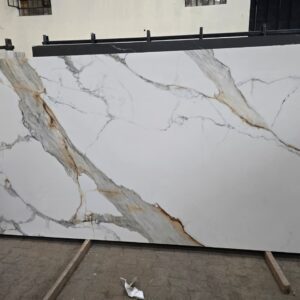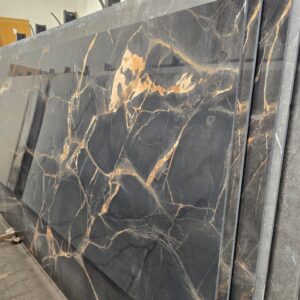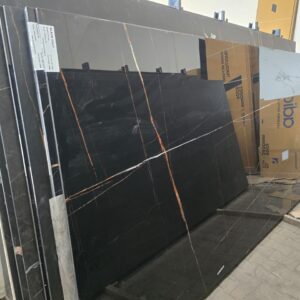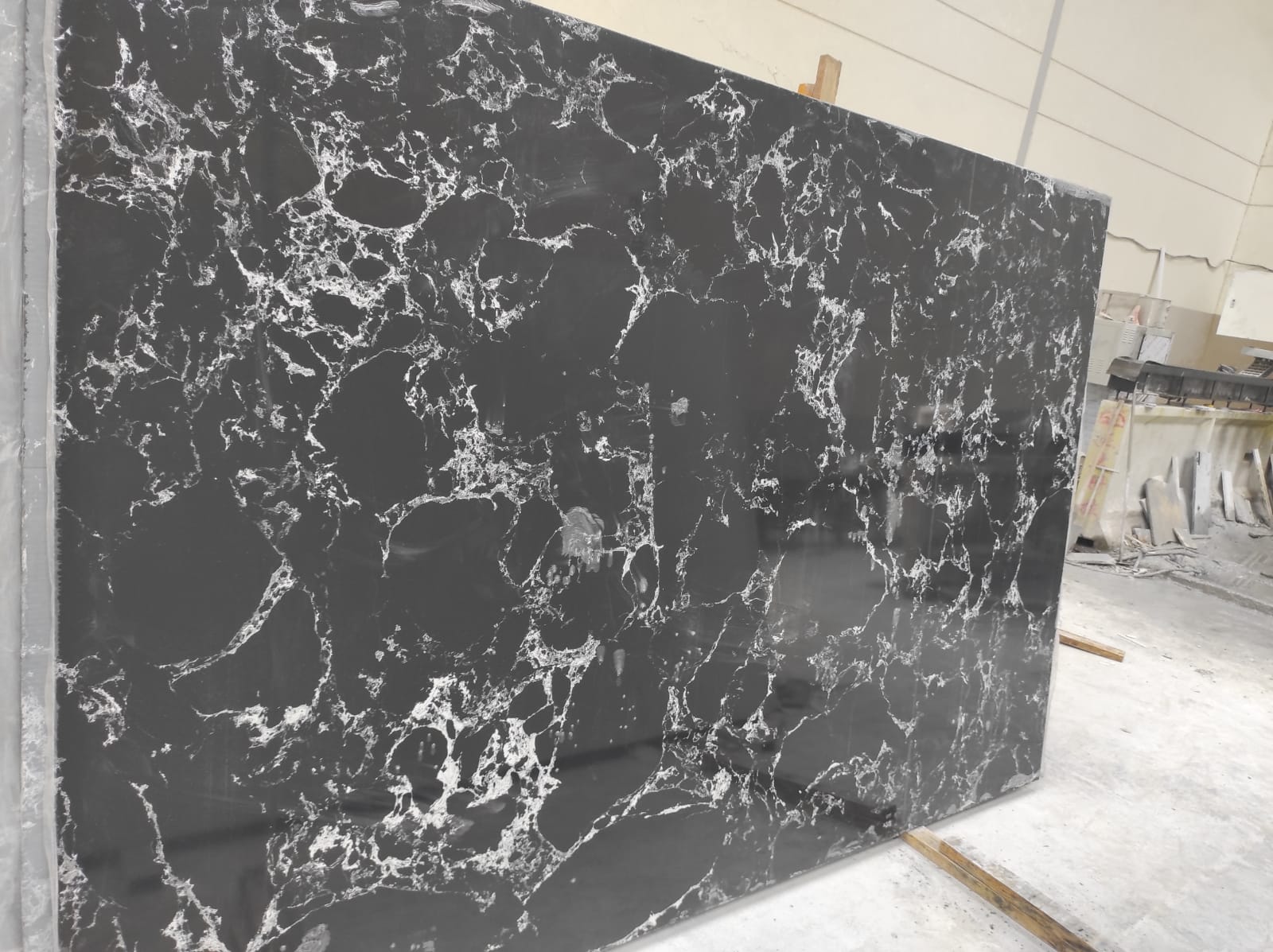


Granite and quartz countertops have unique benefits and characteristics that can help homeowners make an informed decision depending on their needs and preferences.
Comparison between Granite and Quartz
Granite
Quartz
cut straight from the quarry, this stone is entirely natural.
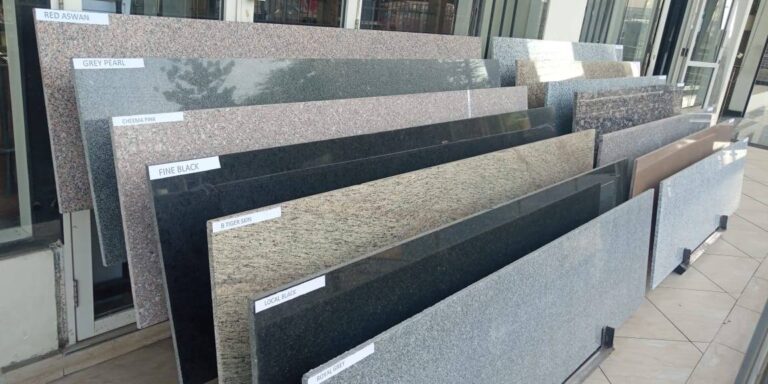
distinct hues and patterns brought about by the natural mineral compositions.
Extremely resilient but porous, thus liquid stains must be sealed to avoid them.
Because of its inherent makeup, it is more prone to chipping and cracks.
To keep granite stain-resistant, it needs to be sealed periodically, usually every 1-2 years.
has to be cleaned gently using non-abrasive materials.
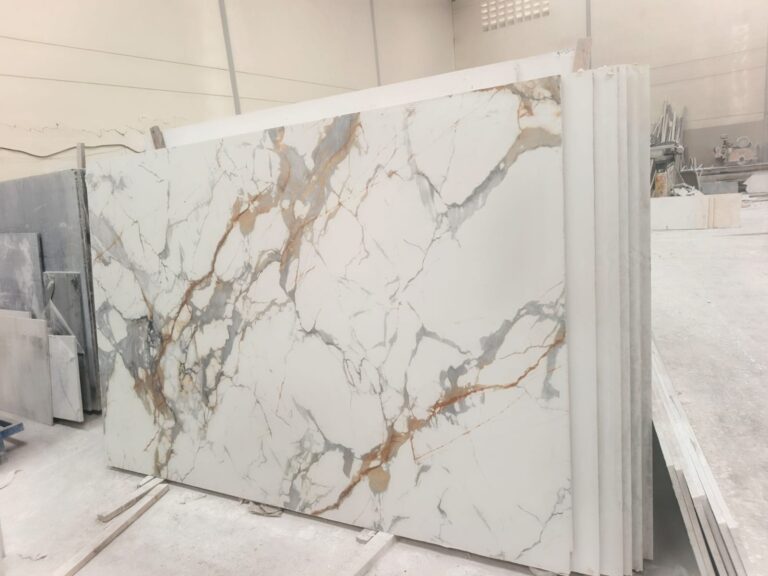
Granite provides unique, organic patterns that have a more “organic” appearance.
favored by homeowners looking for a distinctive stone with organic veining.
can cost anywhere from KES 6,950 per square meter, depending on the stone’s rarity and quality.
a naturally occurring but non-renewable material, its transportation and quarrying hurt the environment.
can bear hot pans placed directly on its surface; it is incredibly heat-resistant.
Engineered stone is made up of colors and resins combined with 90–95% crushed quartz.
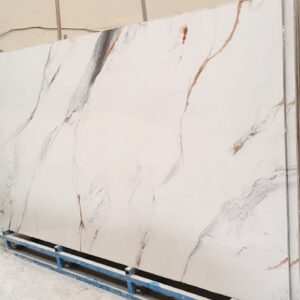
provides a broad spectrum of hues and a more uniform appearance.
Since it is non-porous, stain resistance can be achieved without sealing.
Compared to granite, it is less likely to chip and more flexible.
Needs no sealing; low maintenance.
Simple to clean with a light cleaner or with soap and water
Offers a uniform and constant look.
may more easily be designed to resemble the appearance of granite, marble, or other stones.
Costs vary slightly based on type and quality, but they range from KES 12,500 per square meter.
Manufactured, however, if eco-friendly items are used, it can contain recycled components, making it a more sustainable option.
Because it contains resin, which can bend or discolor in extreme heat, it is less heat-resistant. Using hot pads or trivets is recommended.
In conclusion, if you want natural stone and distinctive patterns and don’t mind the additional sealing upkeep, go for granite.
If you’re looking for a surface that looks more uniform, is stain-resistant, and requires less upkeep, go with quartz.
Depending on your preferences for both functionality and aesthetics, both materials are great options.